排放英文:"emission" 或者 "discharge"。
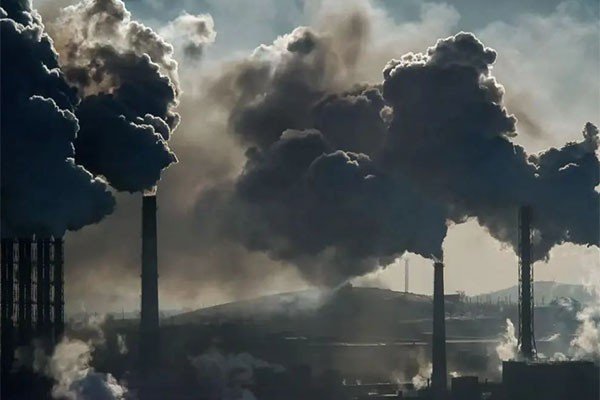
1. Emission:
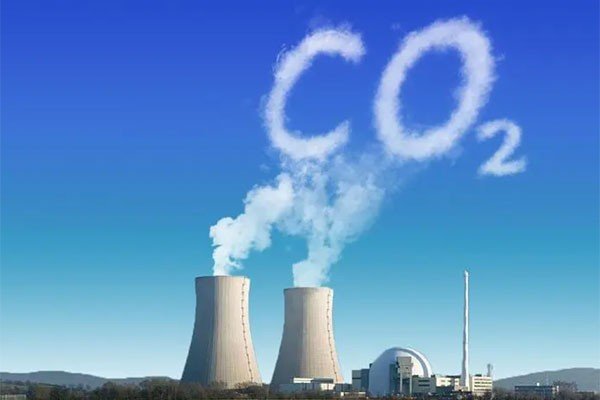
"Emission" 是 "排放" 的常见翻译,通常指的是气体、液体、能量等物质或能量的释放或排放过程。在环保和能源领域,"emission" 通常指的是排放到大气中的废气,尤其是指二氧化碳等温室气体的排放,是一个关键的环保问题。例如:
Carbon Emission: Carbon emissions refer to the release of carbon dioxide (CO2) into the atmosphere, primarily from burning fossil fuels, deforestation, and certain industrial processes. Carbon emissions are a major contributor to climate change.
Vehicle Emission: Vehicle emissions, especially from cars and trucks, are a significant source of air pollution. Efforts are made to reduce vehicle emissions through the development of electric vehicles and stricter emission standards.
Industrial Emission: Industries often emit pollutants into the air and water. Governments and organizations worldwide work to regulate and reduce industrial emissions to protect the environment.
2. Discharge:
"Discharge" 在不同的上下文中有不同的含义。它既可以指物质的排放,也可以指液体的排放,比如废水。此外,"discharge" 还有释放、放电、解雇等多种含义。以下是一些常见用法:
Wastewater Discharge: Industries and sewage systems must treat their wastewater before discharging it into rivers or oceans to prevent water pollution.
Battery Discharge: In the context of batteries, discharge refers to the process of releasing stored electrical energy to power devices. Rechargeable batteries can be discharged and recharged multiple times.
Patient Discharge: In healthcare, "discharge" refers to the formal release of a patient from a hospital or medical facility after treatment or surgery. Medical professionals provide instructions for post-discharge care.
总的来说,无论是 "emission" 还是 "discharge",在环保、能源、医疗等领域都有着重要的应用。对于环保问题,控制和减少各种排放对保护地球环境至关重要。在科